Why this concern deserves a full conversation
Hip Pain Care can involve hip pain, pelvic restriction, low back overlap, stiffness, and movement limits around walking, lifting, or exercise. That may sound straightforward, but the real pattern is often more layered than one tight muscle, one sore joint, or one painful movement. Symptoms can build slowly through repeated habits, appear after a specific incident, or return whenever life gets busy again.
Hip pain can affect stairs, squats, running, getting in and out of the car, sleeping positions, and the way the low back feels.
A better first step is to connect the symptom to the patient's real day. Someone who sits through long meetings, drives across Kennesaw, trains several days a week, lifts equipment at work, or spends evenings caring for children may need a different plan than someone with the same diagnosis on paper. True Flow Chiropractic uses that daily context to make care more personal and easier to understand.
How True Flow Chiropractic looks at the problem
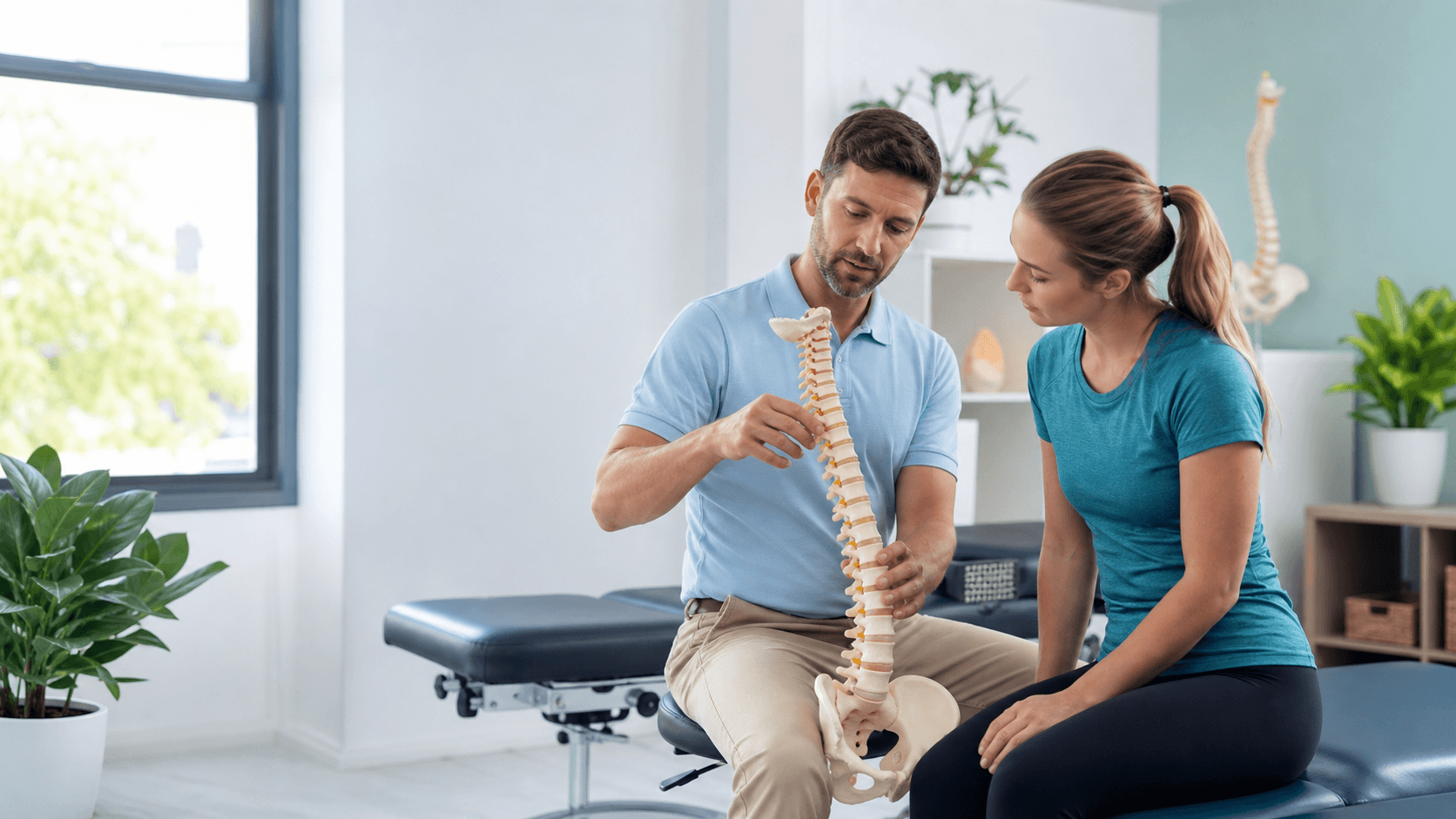
The office provides chiropractic care that considers spinal alignment, joint motion, nervous system communication, and the way the whole body adapts to stress. Dr. Justin Jenkins looks at how the spine, joints, muscles, and nervous system are working together before recommending care. That broader lens helps keep the visit from becoming too narrow. The painful area matters, but so do the regions above and below it, the way the body is guarding, and the way symptoms change with normal movement.
The evaluation looks at hip motion, pelvic mechanics, low back involvement, muscle guarding, and whether the symptoms appear joint-related or referred.
The visit is not built around rushing into the same adjustment for every person. It starts with listening, checking movement, and explaining what may be contributing to the problem. Patients should know what the doctor is seeing, why a recommendation is being made, and how the plan connects to their goals. That kind of explanation is especially important for people who have already tried quick fixes or felt brushed aside elsewhere.
Because symptoms often overlap, some patients also ask about chiropractic adjustment, back pain treatment or neck pain relief within the broader chiropractor care options when pain, stiffness, or compensation changes how the body moves.
What care may include
Care may include chiropractic adjustments, pelvic or low back support, mobility guidance, and practical changes based on what aggravates the hip.
A conversation about the history of the problem and what has changed
Movement checks that connect symptoms to everyday activity
Technique choices matched to comfort, goals, and exam findings
Plain-language education so the plan feels understandable
The goal is to help the patient understand how the hip, pelvis, and spine are working together. Care is not presented as a magic fix. It is a conservative process for helping the patient understand the body better, improve function when appropriate, and make decisions with less fear.
Why the Kennesaw setting matters
For Kennesaw patients who commute, work at a desk, lift at the gym, care for family, or stay active around Cobb County, that practical context matters. A person may feel fine during a short exam but struggle after an hour in the car, a long workday, a heavy training session, or a weekend of yardwork. Those details help explain why symptoms come and go.
True Flow Chiropractic serves patients near Cobb Parkway, Kennesaw State University, Acworth, Marietta, and surrounding Cobb County communities. The goal is to make care practical for people who want to keep working, training, driving, parenting, and living without feeling like every decision has to revolve around pain or tension.
That is also why local care should account for follow-through. The best recommendation on paper is not very helpful if it does not fit the patient's week, commute, work demands, or comfort level. True Flow Chiropractic aims to make the next step feel realistic: what to pay attention to, what may need to be modified, what movements are worth testing carefully, and when it makes sense to check back in. For many patients, that kind of practical clarity is what turns a confusing symptom into a more manageable plan.
When to reach out
It is reasonable to contact the office when symptoms are changing how you move, sleep, work, exercise, or handle daily tasks. Some people come in because pain is new. Others reach out because the same pattern keeps returning and they want a better explanation than simply waiting for it to pass.
Hip pain after trauma, inability to bear weight, severe groin pain, or progressive symptoms should be medically evaluated. Conservative care works best when the first step is honest about what chiropractic or massage support can reasonably address and what may need a different provider. That is part of responsible local care.
What a useful first visit should clarify
A strong first visit should give you more than a service label. By the end of the conversation, you should have a clearer sense of what may be contributing to the problem, what conservative care may reasonably support, and what daily patterns may need to change. That clarity is valuable whether you are new to care, returning after a flare-up, or trying to decide if now is the right time to get help.
What movements or positions make the symptoms better or worse?
Are nearby areas such as the hips, shoulders, neck, or back involved?
What should be avoided for now, and what can still be done safely?
How will progress be judged beyond simply asking if pain is lower?
This is especially useful for busy Kennesaw patients who do not want vague advice or a plan that ignores real life. Someone who is trying to keep working, commute through Cobb County, train around an injury, manage a household, or get through a school schedule needs recommendations that are practical. True Flow Chiropractic aims to connect care to those ordinary demands so the plan feels usable outside the office.
Building progress around function
Pain level matters, but it is not the only sign worth watching. Progress may also show up as easier rotation, better tolerance for sitting or standing, less guarding during daily tasks, more confidence returning to exercise, or a better understanding of what triggers symptoms. Those functional details help keep care grounded in the patient's actual goals.
Dr. Jenkins often works with patients who want to feel resilient, not dependent on short-term relief. For hip pain care, that means paying attention to how the body responds over time and adjusting the plan when the findings, comfort level, or goals change. The point is to help the patient feel informed and supported while pursuing better movement in everyday life.